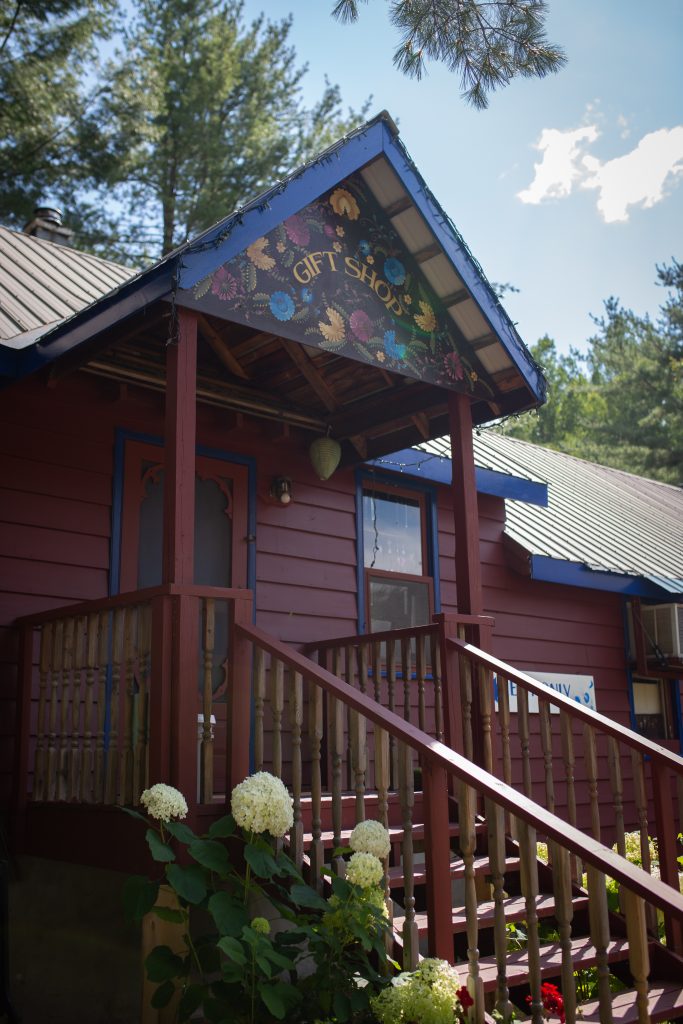
GIFT SHOP
1:00 pm to 4:00 pm EST
Thursday, Friday, Saturday ONLY
Open – May long weekend until Thanksgiving
Open – May long weekend until Thanksgiving
Catherine Doherty opened the Madonna House Gift Shop in 1964, moved by her love and concern for the poor.
The vision of our gift shop has been to serve the poor worldwide by becoming a conduit of love between those who donate items to be sold, with those who purchase the items, and those whom we know in the Missions.
Over the years, many missionaries have passed through the blue doors of Our Lady’s house, and our relationships with them have grown. We try to provide a small gift each year to help with their work from the proceeds of our sales. The funds raised in our shops go directly to missionaries; each purchase is a personal gift to help others.
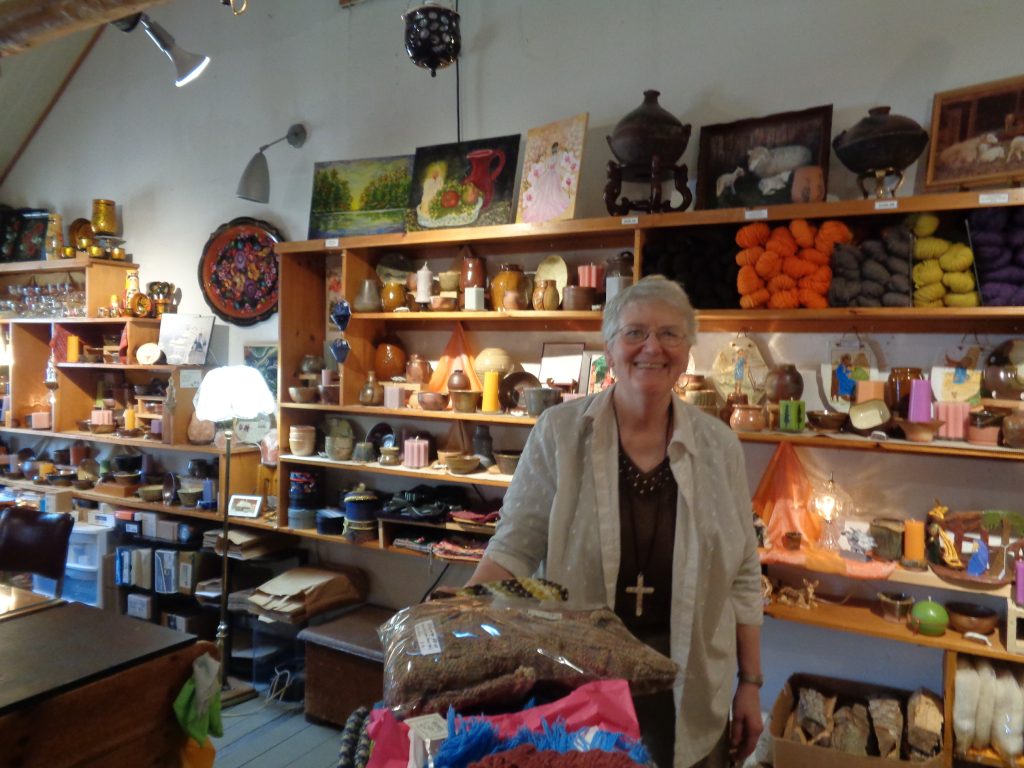
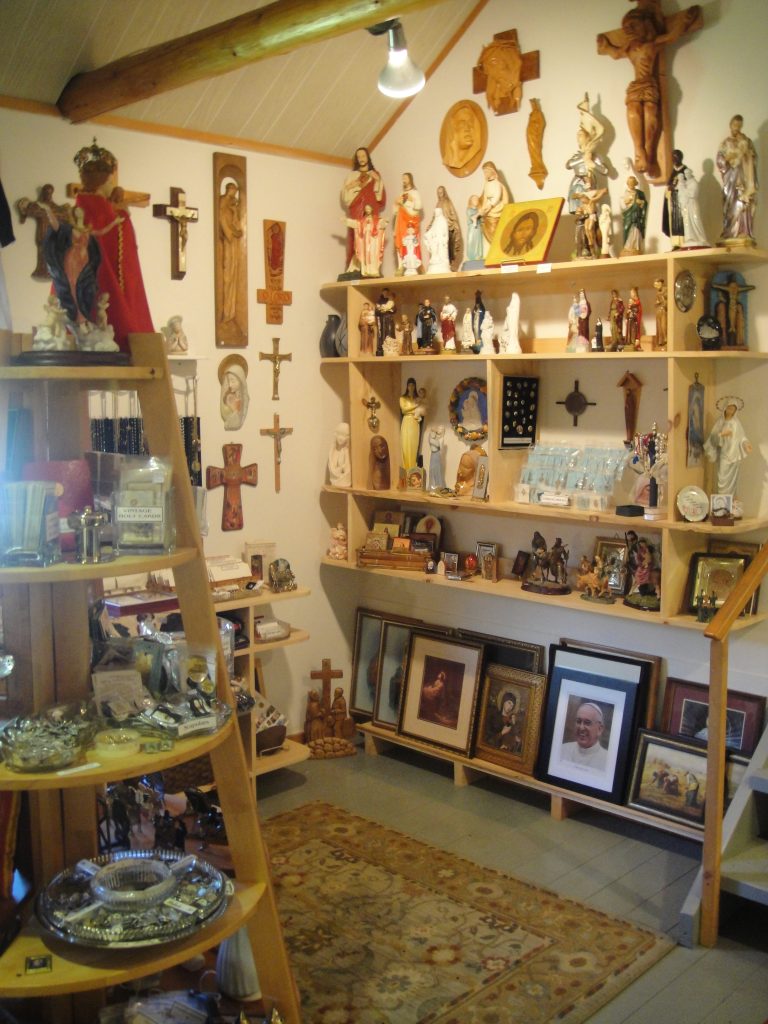
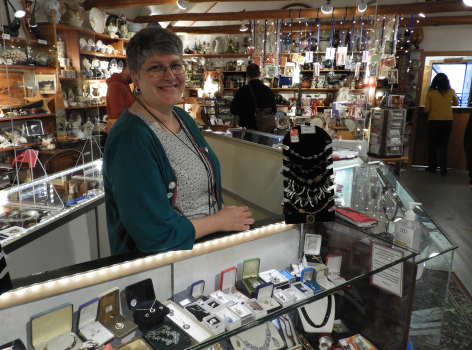
The shop offers an eclectic collection of:
- china
- jewelry
- religious items
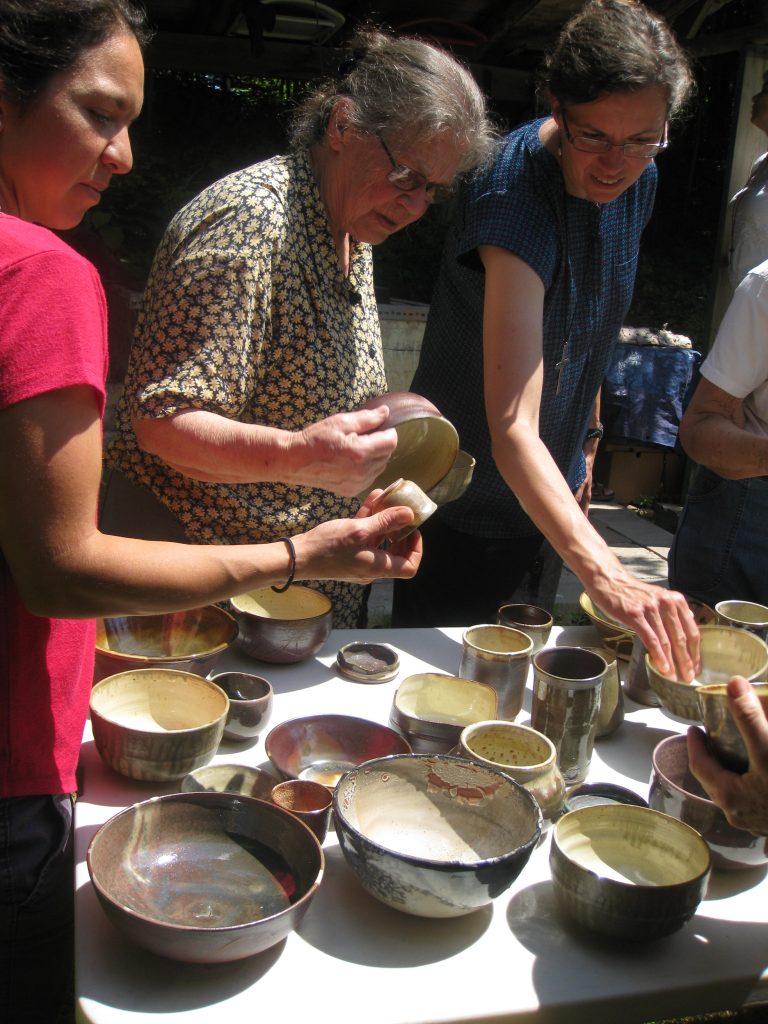
- pottery
- candles
- antiques
- art/paintings
- glassware
- collectibles
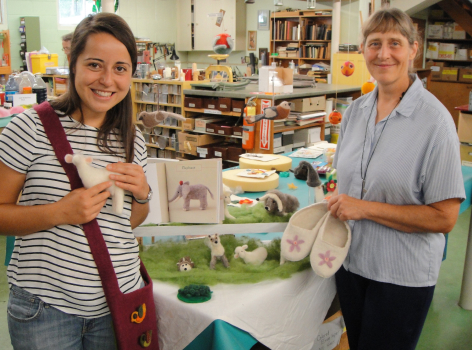
- wool from our own sheep
- and so much more…
Felted, knitted and woven items are available as well as other handicrafts and art work created by talented staff members and friends.
Check out our Creative Works page to see a few examples of what you may find in the Shop.
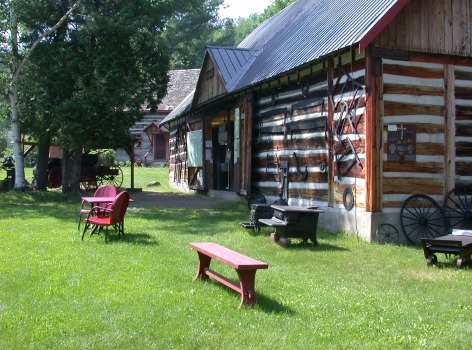
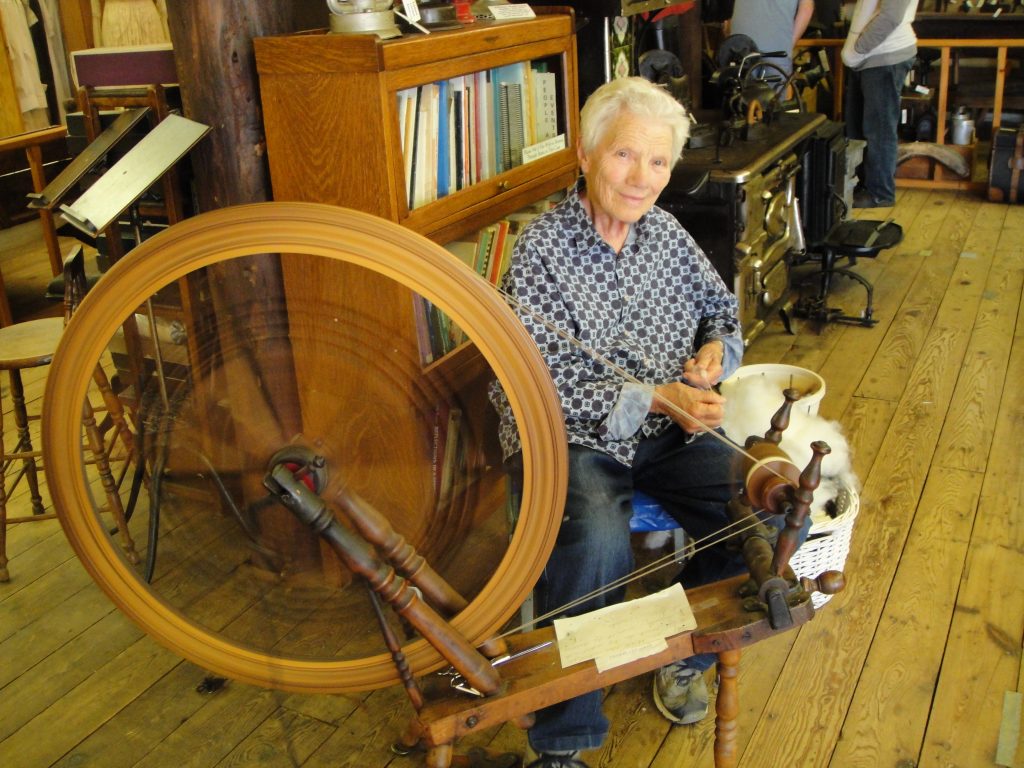
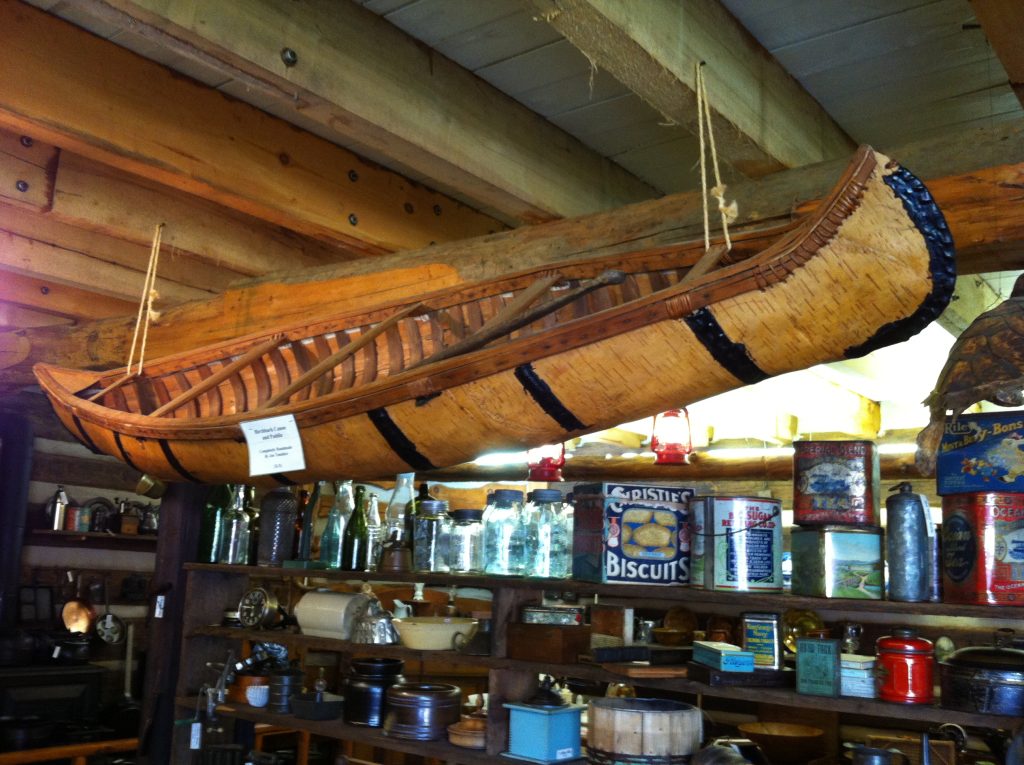
In summer months we have a pioneer museum of local artifacts with a working player piano. There is also a used books store on the property.
PIONEER MUSEUM
Catherine Doherty, foundress of the Madonna House Lay Apostolate, opened the Madonna House Pioneer Museum in 1967 after seeing a need to collect and preserve items that were vital to the lives of local pioneers. The displays of old tools, cobbler and farm implements, kitchenware and the hundreds of authentic artifacts from pioneer homes and farms, speak with pride of our ancestors’ way of life. Built from hundred-year-old hand-hewn logs by experts in the Madawaska Valley, even the building itself is a colourful illustration of our rich pioneer heritage. Every item is the gift of a generous benefactor interested in preserving the history of the area.
2:00 pm to 4:00 pm EST
Thursday, Friday, Saturday ONLY
Open – July and August
Open – July and August
ST. JOSEPH THRIFT SHOP
The St. Joseph Thrift Shop is open from 2:00-4:00 on the 1st and 3rd Saturdays of each month.
Any questions or additional inquiries reach out to us!
DAY TOUR
Tours available by appointment ONLY
You are welcome to come for a walking tour of Madonna House, up to 45 minutes or shorter, depending on the group schedule. This includes a visit to the Island Chapel, the shrine of Our Lady of Combermere, the Pioneer Museum, and ends at the Gift Shop. Click here for the Gift Shop hours.